Masonry Materials and Construction

Masonry involves building blocks, bricks, stone, and concrete structures. It requires construction professionals like Colorado Springs Masonry who have specialized skills in masonry materials. Masons learn their trade through an apprenticeship with experienced masons. Masonry work can be challenging, but the rewards are great.
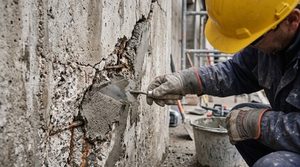
Masonry Contractors

The left-hand pillar of King Solomon’s Temple was adopted into speculative Masonry as an emblematical of Strength and Wisdom.

Bricks are a key component of Masonry, used for structural and non-structural (aesthetic) elements in construction. They are available in various sizes, colors, textures, and bonds. Bricks can be made from clay, cement, lime or calcium-silicate.

Bricks may be solid (with less than 25% perforation by volume), cellular, or hollow. In the latter case, they may be “frogged,” having indentations on one of the longer faces; this is done for ease of mortaring or to reduce weight. The frog should be filled with mortar when the brick is laid, otherwise it can adversely affect the structural and acoustic performance of the wall.

The color of a brick is influenced by the minerals in the soil it was made from and by the firing temperature and atmosphere in the kiln. For example, bricks made from clay with high levels of iron oxide have a reddish hue; while those from calcareous soil are yellow or white. The color of a brick can also be tinted to create different aesthetic effects.

The preparation of a brick involves three steps; preparing the clay, molding and drying. A brick is generally considered to be of first class quality when it has standard size and shape, a uniform color and has an excellent compressive strength of between 15 and 35 MPa.

There are several methods of making bricks; table-molded, dry-pressed and extruded. The former involves mixing the clay with water until it is soft enough to be molded into shape; the bricks are then dried by heating in a kiln. Dry-pressed bricks are similar to the soft-mud moulded type, but begin with a thicker clay mix and are subjected to greater pressure as they are pressed into steel molds.

A brick can be bonded together with mortar to form a solid unit, known as a course or a bond. The type of bond employed in a project will often depend on the architectural style being used; for example, American common bond has one course of headers every six stretcher courses. For efficiency in laying, a brick should be small enough and light enough to be picked up by the thumb and fingers of one hand without damaging it.

Stone

Stones are one of the most important materials in Masonry. They are used to build walls, foundations, columns and retaining structures. They can be natural or manufactured. The stones used in Masonry must be strong, tough and durable. They must also be free from cracks and holes. The stones should be thoroughly cleaned before they are used for Masonry.

There are several types of stones used in stone masonry, including granite, marble and limestone. These are derived from sedimentary rocks, which are created when mineral grains are deposited in a basin. Limestone and sandstone are the most common sedimentary rock types used in Masonry.

Fine-toothed ashlar masonry is the most expensive form of stone masonry, but it is also one of the most beautiful. This method uses a precise technique to create flawless couplings between adjacent stones, both horizontally and vertically. It is used for decorative elements in buildings such as lintels over doors and windows and in flat arches.

Rubble stone masonry is another popular type of stone masonry. This style is less costly than fine-toothed ashlar, but it requires more time and labor to achieve the same results. Rubble stones are rough and unprocessed, requiring masons to assemble them manually. They must be carefully chosen and positioned with meticulous accuracy to ensure that the pressure from the wall is spread over the maximum lateral area.

Polygonal rubble masonry is another type of stone masonry that may be used to construct a building. This style of Masonry is similar to that used by the Incans and other ancient civilizations. The stones are hammer-dressed on the face to an irregular polygonal shape. They are then bedded in position to show face joints running in all directions.

Post-tensioned stone is a special type of stone masonry that uses tensile forces to support the structure. It consists of stone blocks that are connected to each other by tendons threaded through a duct formed from aligned drilled holes. This system reduces the number of mortar joints, which can contribute to structural problems. It is most often used in the construction of bridges, skyscrapers and other large structures.

Concrete

Concrete Masonry consists of cement, stone and other aggregates mixed with water to form a material that hardens when it is dry. It is used to construct foundation walls, concrete slabs and other masonry structures. In addition, concrete is often reinforced with wire mesh or rebar to increase its strength and minimize cracking. It is also used to build stairs and other structural components of buildings.

In addition to providing the load bearing strength for a building, Masonry is an excellent insulator against heat and cold, and noise. Its ability to retain heat in the winter and block cold air in the summer makes it ideal for homes, office buildings and other commercial facilities.

It also provides better protection against break-ins and fires than many other building materials, which helps keep insurance rates lower. Masonry is a durable and long-lasting material that requires little maintenance to remain in good condition over the years.

The most common type of Masonry is brick and concrete, used to construct walls for homes and other buildings. Masonry is also used for walls in bridges and elevated slabs for parking structures and other commercial buildings. It is sometimes used in retaining walls and to make chimneys and fireplaces.

Masonry can be built in a variety of styles and sizes, from low-rise apartments to large skyscrapers. Walls constructed of Masonry are sturdy and provide an attractive appearance that can blend in with the surrounding architecture. Masonry is a popular material for walls in hospitals, schools and office buildings because it is fireproof and offers better security than other types of construction.

A good resource for understanding masonry construction is the US Army Field Manual, Builder Training Course Volume #1 (US Army FM 5-428). It provides basic explanations and instructions to help you become a competent mason.

Concrete Masonry is becoming increasingly popular, because it is less expensive than some other types of construction. It can also be manufactured in a range of colors and textures to suit any design requirements. It can be produced with recycled or “green” ingredients, which helps to reduce its environmental impact. It is easy to work with, and can be shaped into a wide variety of designs.

Mortar

Although a lot of attention is focused on the bricks and stones that make up Masonry, it’s the mortar that holds everything together. It’s important to know about how mortar works so that you can choose the right kind for your project.

Mortar is a combination of water, lime, cement, and fine aggregates like sand that holds bricks, concrete blocks, structural clay tile, stone, and other masonry materials together. It is usually mixed on-site, but ready-to-use mixes are available for smaller jobs.

Like concrete, mortar can be poured and screeded into place to form walls or other structures. It can also be used to fill in gaps between masonry units or to add texture to a surface. It’s important to use the right type of mortar for your project to ensure that it will be able to withstand the load and weather conditions.

There are several factors that affect the quality and durability of mortar, including its workability, strength, and adhesion. It’s important to test your mortar before using it in a construction project to ensure that it has the proper consistency and strength. It should also be water proof so that it can withstand the rainy season without being damaged.

The workability of mortar is affected by its moisture content, but other factors also contribute to its effectiveness. For example, the ratio of lime to cement and the gradation of the aggregates are important for determining how much water is needed for mixing. Also, the temperature of the ingredients can influence how well the mortar is mixed.

A good mortar will have a low slump, meaning that it won’t flow easily when being worked with. It should also have a high tensile strength and a low permeability, which will help it resist damage from freeze-thaw cycles. It should be able to withstand the pressure of gravity and moderate soil loads, as well as have a good bond with masonry units. In general, type N mortar is a good choice for most applications. It has a lower compressive strength than type S mortar, but it’s still strong enough for most applications.
Choosing a Standing Cane

Standing CaneĀ is a device that allows the person to stand or walk on one leg. It is used to help those with physical disabilities or those with weakened muscles to walk. Many canes are designed for different purposes, and there are many different types of them. Choosing the right cane depends on what your needs are. If you’re having trouble walking or using your legs, your physical therapist can recommend the right model for your needs.

standing cane

You can buy a Standing Cane of different sizes and styles. You can buy a sturdy, durable cane that fits your body comfortably. A strong-arm cane has a base that is approximately 2 inches in diameter. For more flexibility, you can buy one that has a height adjustment mechanism. Many canes also come in a variety of colors to match your decor. Some canes have different features depending on the person who will be using them.

Another option is a Pallo Cane. This is similar to a Walking Cane, but it features a second handle. The handle is height-adjustable and rotates to any position. A Pallo cane is designed to relieve stress when moving from a sitting to a standing position. In addition, the Pallo cane comes with a battery-operated light inside the handle, making it useful even in low-light environments. You can even store your keys or prescriptions in the storage compartment inside the handle.

The most important thing to consider when choosing a self-standing cane is stability. This feature of the cane will improve the support that it gives to the user. A self-standing cane won’t fall over if left alone. Whether you’re using one to walk or stand up, a self-standing cane will provide adequate support. In addition to providing adequate support, the self-standing cane will also keep your hands free when you need it most.

A quad cane can also be used for moderate to severe antalgic gait. It offers more support to the hemiplegic patient and allows the patient to bear more weight. It is also used for patients with mild to moderate sensory problems and coordination issues. These canes are made of aluminum and have adjustable shaft lengths. This allows you to choose the right length for your height. You can purchase them without having to spend extra money on custom fittings.

The self-standing cane tip is a great way to increase your balance. This cane tip replaces the worn-out or missing tip and is easily replaced. The cane’s rubberized base is durable and adds stability to the user. The base is also non-slip and won’t leave black marks on the floor. It’s also HSA and FSA-approved, making it an excellent choice for many elderly individuals.

Self-Standing Cane Tip is an easy replacement tip that makes it possible to stand with your cane. This means you don’t have to bend over to pick up the cane, nor will you have to wonder where you’re going to put it. Physical therapists recommend the use of a cane tip with a large base for people with arthritis because it helps alleviate the pain when bending. The large base also provides additional stability to the cane during its gait cycle.

Another great choice for people who suffer from joint pains and other conditions is the Self Standing Cane. This innovative walking cane offers a perfect balance of support, strength, and comfort. It is made of durable materials and can support up to 500 pounds. Aside from being sturdy and comfortable, this cane also has a padded hand grip and flat base. It is perfect for walking on the beach or on the park trail.

Aside from its sturdy design, a good standing cane tip is also available in different styles. There are straight-handled canes, offset canes, crook canes, and swan neck canes. The ergonomic handle is specially designed for people suffering from arthritis or conditions that decrease their hand strength and flexibility. Choosing a cane tip that fits your needs will help you maintain a stable and secure grip when walking.

Mold Remediation – What’s Next?

If you’ve recently discovered mold in your home, you’re probably wondering what the next step is. While it may sound simple, mold remediation can be a complex and expensive process. A professionalĀ Mold Remediation service will assess your home’s situation and collect samples. They will then use eco-friendly products to remove mold from your home and apply antifungal chemicals. Once they have completed the mold removal process, they’ll retest your home to ensure that there is no residual mold.

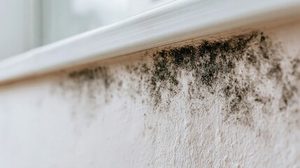
mold

In some cases, homeowners’ insurance policies will cover the cost of mold removal. If a covered emergency caused the mold, however, the cost of mold remediation is unlikely to be covered. Other causes for mold infestations, such as delayed maintenance, are not covered. Nonetheless, the benefits of mold removal are substantial. For those with a medical condition, mold remediation can help improve your health. To avoid further complications, you should contact a mold removal service as soon as possible.

The cost of mold remediation will vary greatly depending on the extent of the damage. Some mold removal companies exaggerate the amount of work needed, which can drive up the price. You should request several quotes to make sure that you don’t get ripped off by an overly-low quote. In addition to being overcharging, cheap companies don’t necessarily do the job right. The best way to find the right mold removal service is to compare the quotes of several companies before making a final decision.

Once you’ve found the source of the mold, the next step is to call a professional mold remediation service. These services can assist you in eliminating the mold, preventing its re-growth, and restoring your home to a safe, healthy environment. There are emergency restoration services that specialize in fire and water damage cleanup, mold remediation, and carpet and upholstery cleaning. The professionals you call are well-versed in the latest methods and technologies to address any type of mold infestation.

A professional mold remediation service will also provide you with ongoing support, including regular leak checks and dehumidifying your home after the mold removal process. These services will help you understand the extent of the problem, what steps need to be taken, and how to prevent a repeat occurrence. You can also ask your mold remediation service to recommend a cleaning company. So, go ahead and choose a mold removal professional to help you.

You can also ask for pre-testing of the home, especially if you’ve noticed visible mold. Pre-testing is an essential step to prevent the spread of mold and will be useful if you’re negotiating a price with the seller. Mold can also be detected through a dusty or rotten smell, but it can be difficult to spot if it’s hidden somewhere. It’s better to call in the professionals than to try to figure out the source of the problem yourself.

In case your home is affected by a mold infestation, AdvantaClean has a team of IICRC-certified technicians to help you recover from the situation. They will conduct air testing, contain the problem, and develop a custom mitigation plan. Once the job is complete, the team will use antimicrobial products and HEPA vacuums to remove the mold and any remaining moisture from your home or building. Finally, they will conduct a final walkthrough of your home or building to ensure that it is safe to live in.

A professional mold remediation company can perform the necessary restoration work in addition to remediation. It may cost you more than the remediation process, but a good mold removal company will not overcharge for their services. A good mold removal company will provide thorough explanations of the work they’ll perform. They also use professional practices and equipment and have years of experience. So, it’s essential to choose the right mold removal service to ensure that you’re getting the best value for your money.

After the mold removal process, you’ll need to remove the infested items. Some materials may be salvageable, while others will need to be disposed of completely. For instance, carpets and furniture may contain spores of mold, so it’s better to remove them than try to clean them yourself. Mold cleanup may take a day or two, depending on the severity of the damage. If you’re fortunate, your house will be ready for use again within a few days.

If you’re hiring a mold remediation service, be sure to ask about the certifications of their employees. Although mold removal professionals are not required to be licensed, many industry organizations certify mold remediation professionals. You can ask about their certifications by asking about the qualifications of the company’s employees. You can then ask them if they’re certified and what qualifications they must meet to maintain their certification. When hiring a mold remediation company, you’ll be able to rest assured that you’re hiring the right professionals.